Matt Michalska-Smith
Zachary Miller
Stefano Allesina

Stefano Allesina

Zachary Miller




Outline
- A motivating example
- What is known
- What we've done
- What remains
A motivating example
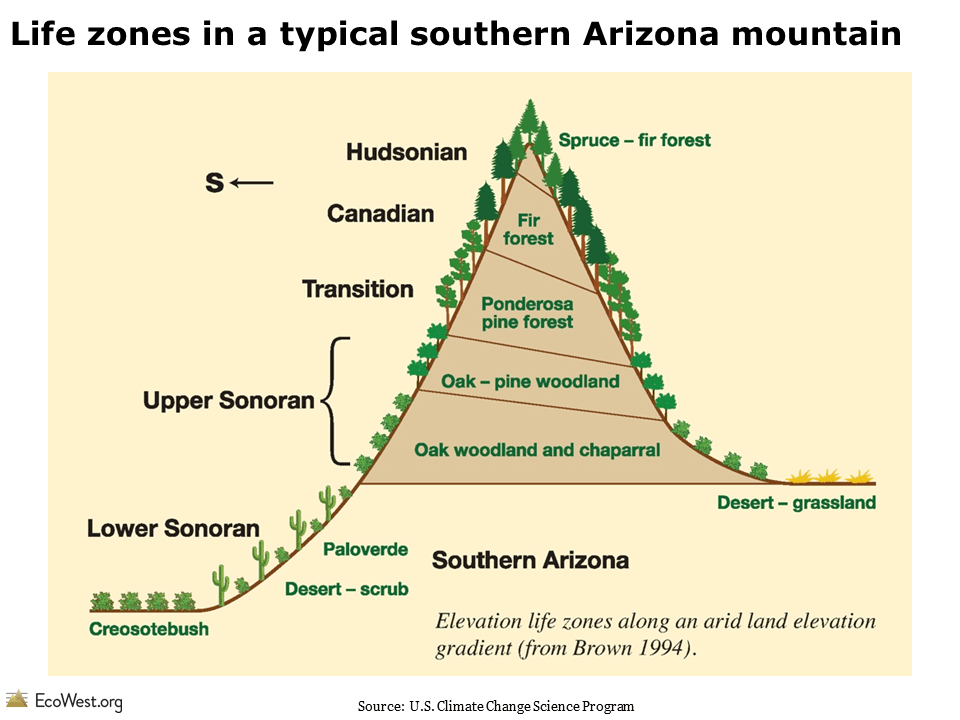
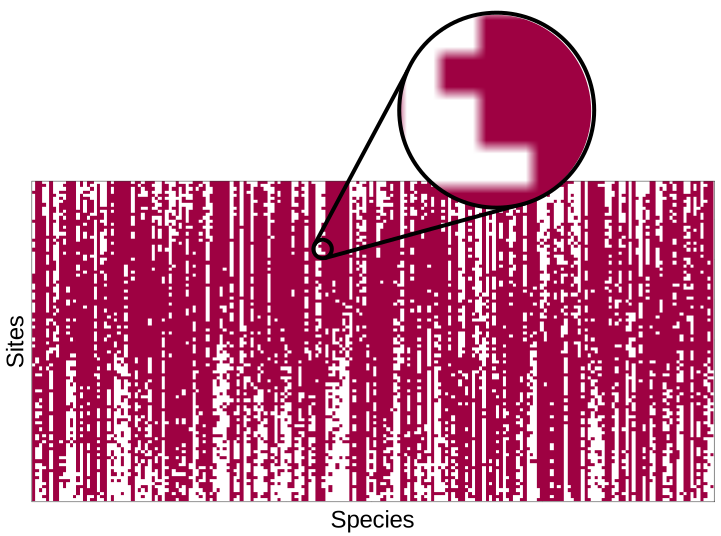
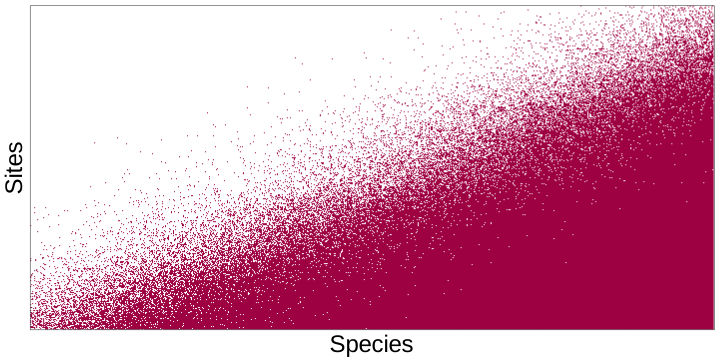
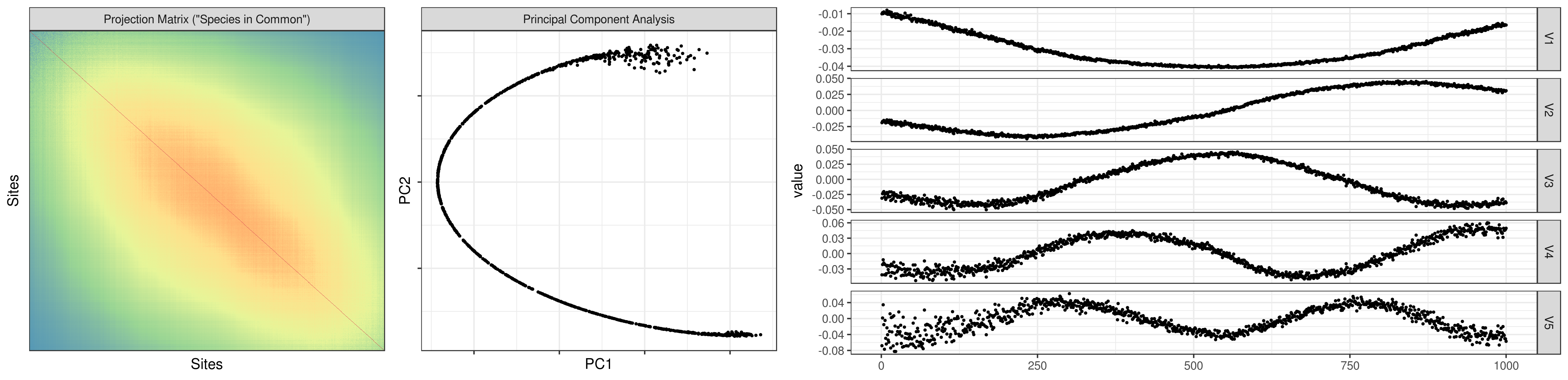
A motivating example
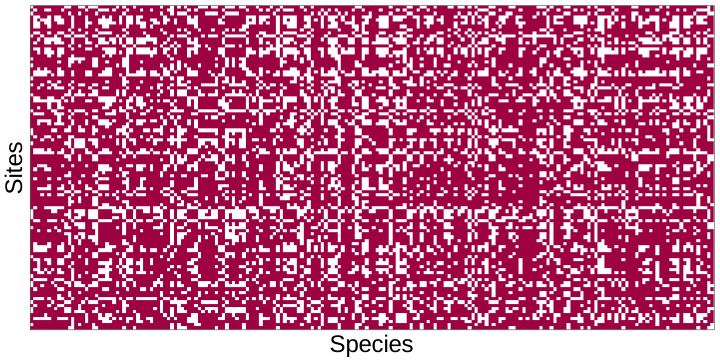
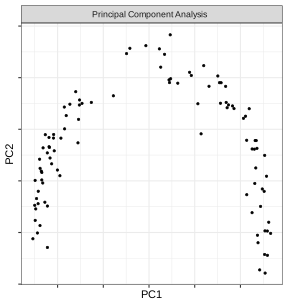
A motivating example
?
?
Outline
- A motivating example
- What is known
- What we've done
- What remains
What is known
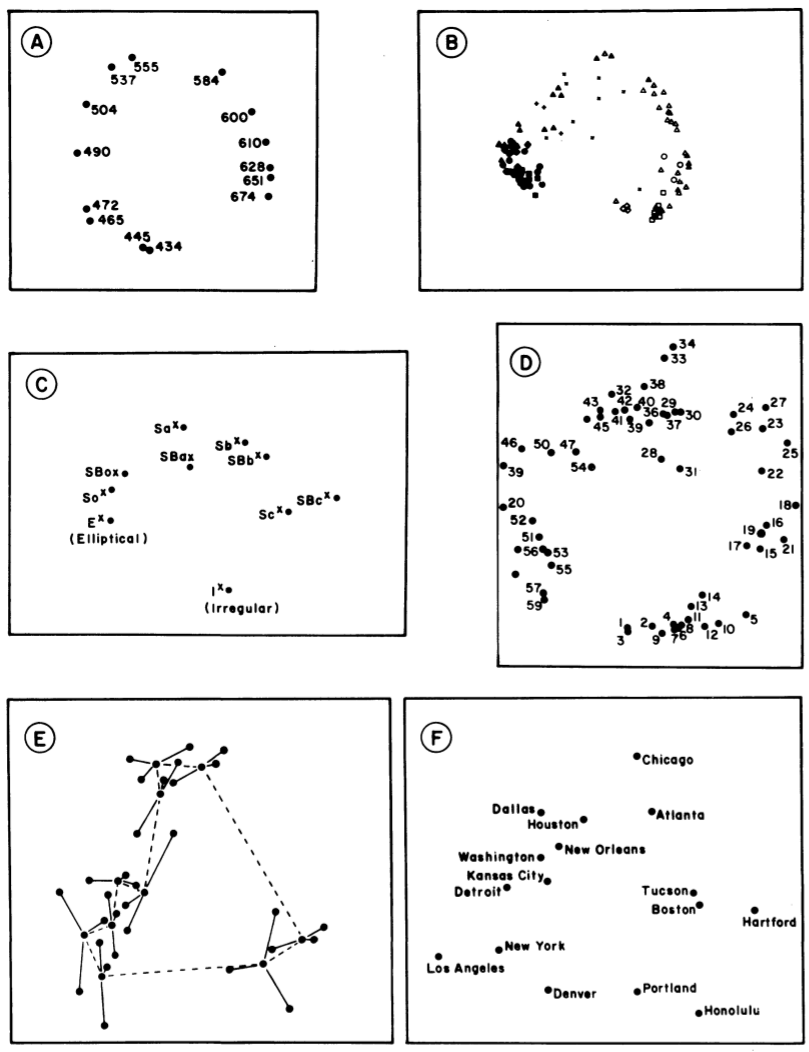
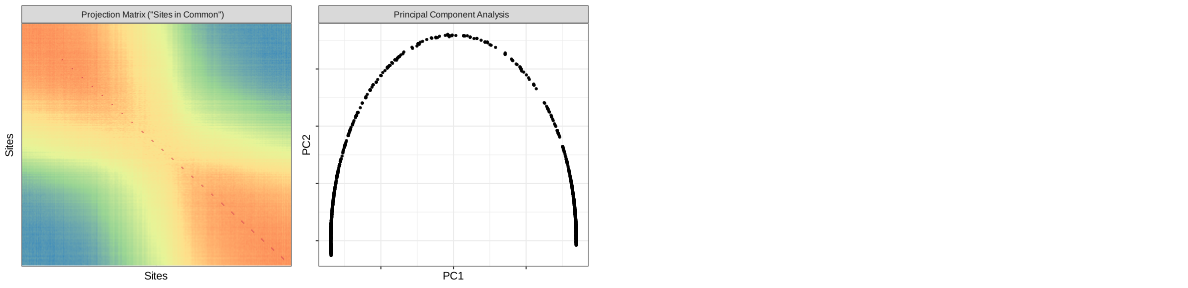
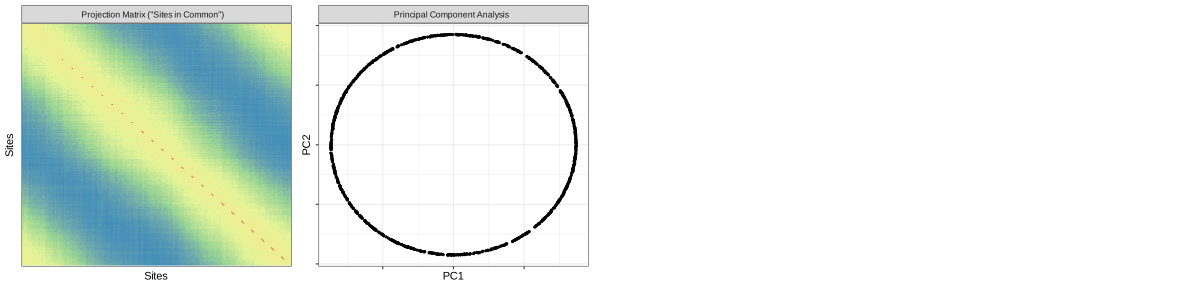
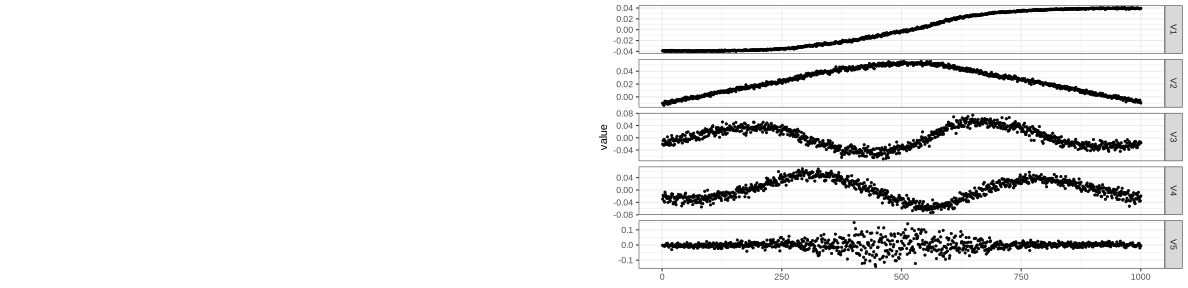
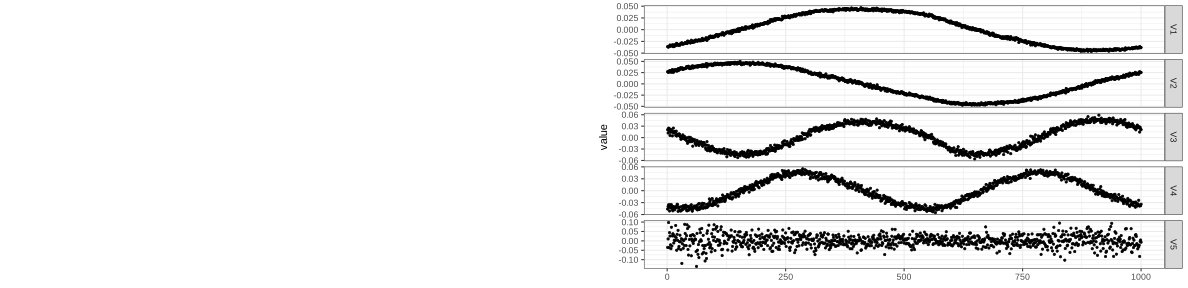
Wartenberg, Ferson & Rohlf 1987
What is known
What is known
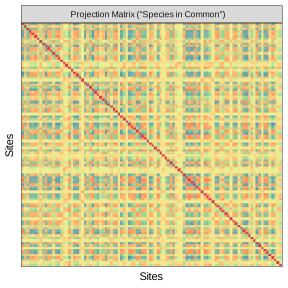
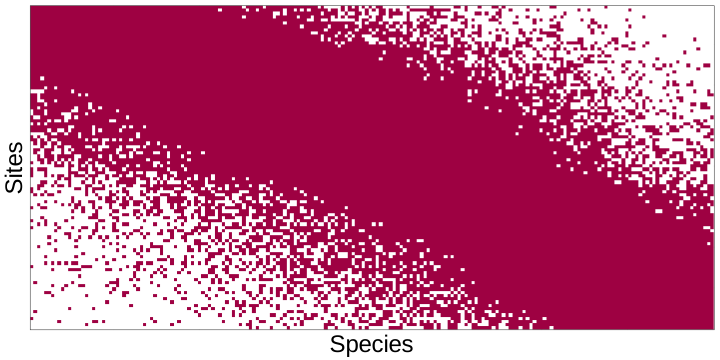
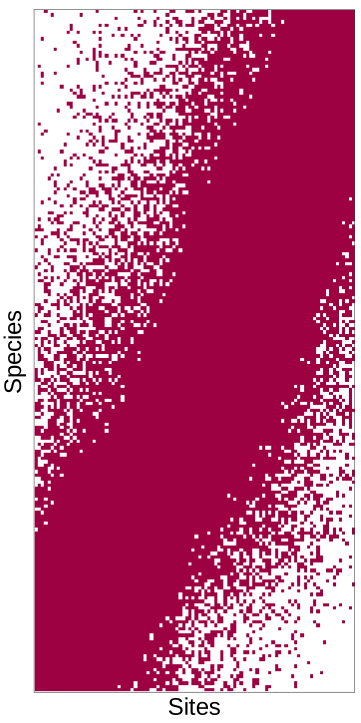
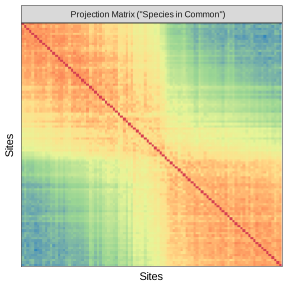
What is known
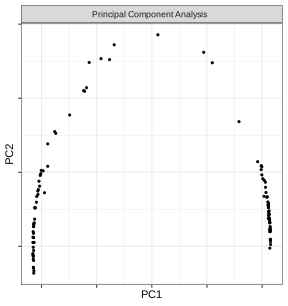
What is known
Outline
- A motivating example
- What is known
- What we've done
- What remains
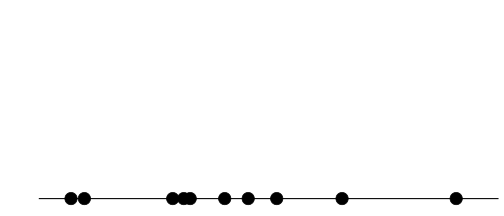
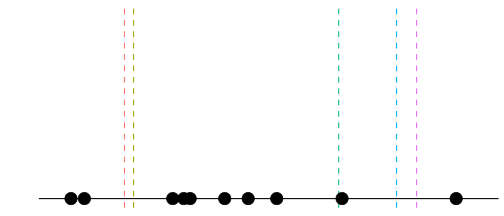
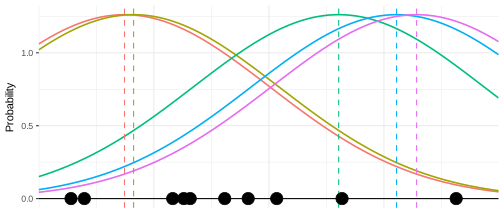
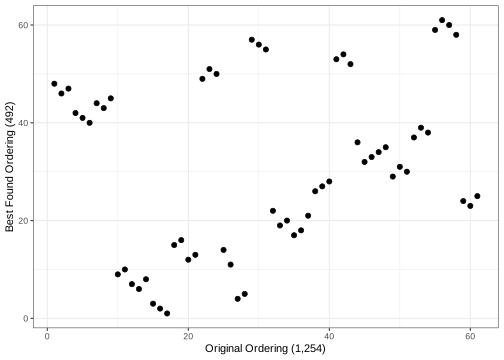
What we've done

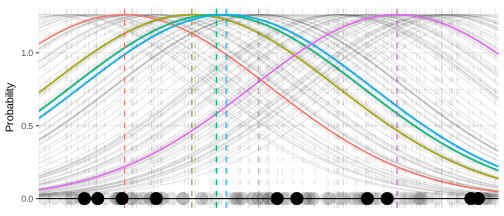
What we've done
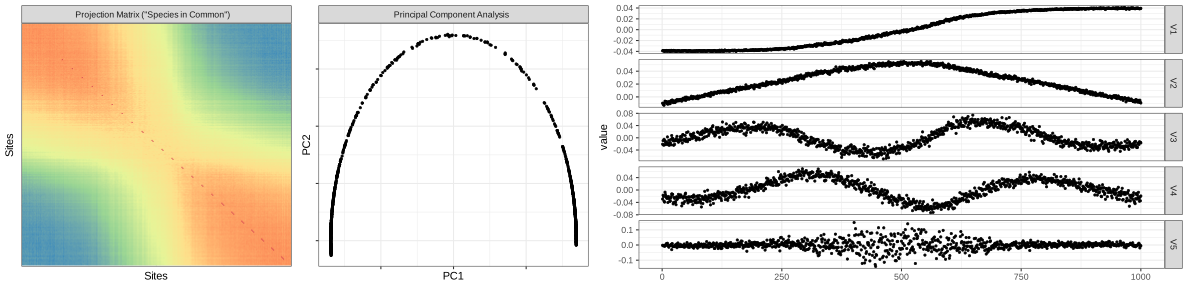
What we've done
# take a binary occurance matrix B
# for a decreasing neighborhood size d
for (d in ncol(B) / 2, ncol(B) / 4, ncol(B) / 8, ..., 2, 1) {
  # loop through each column to get the contribution to the total score
  for (each column_i in B) {
    for (each column_j in B) {
      # measure the euclidean distance between the two columns
      distance_i[j] <- sqrt(sum((column_i - column_j)^2))
    }
    # rank the distance to each other column
    rank_distance_i <- rank(distance_i)
    # add the ranks of the columns within d steps of the target column
    for (each column_j within d steps of column_i) {
      total_score <- total_score + sum(rank_distance_i[j])
    }
  }
}
What we've done
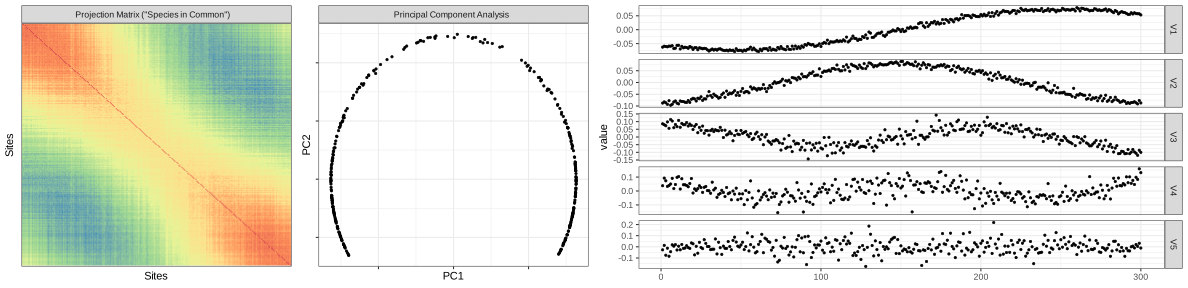
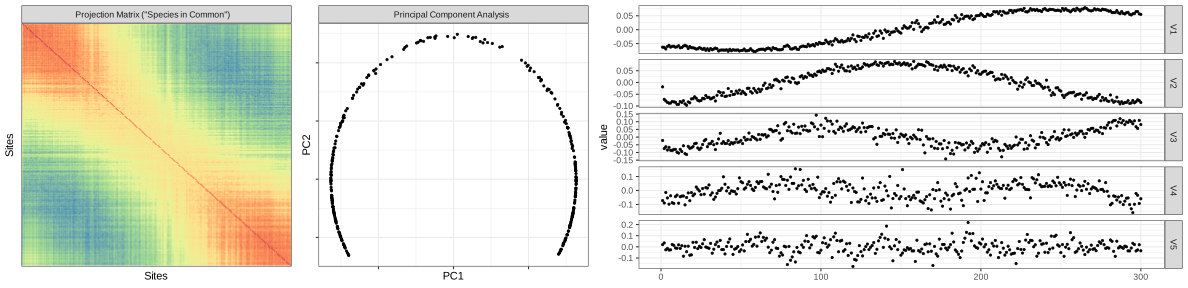
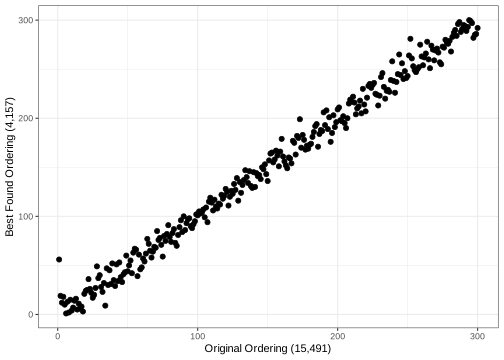
What we've done
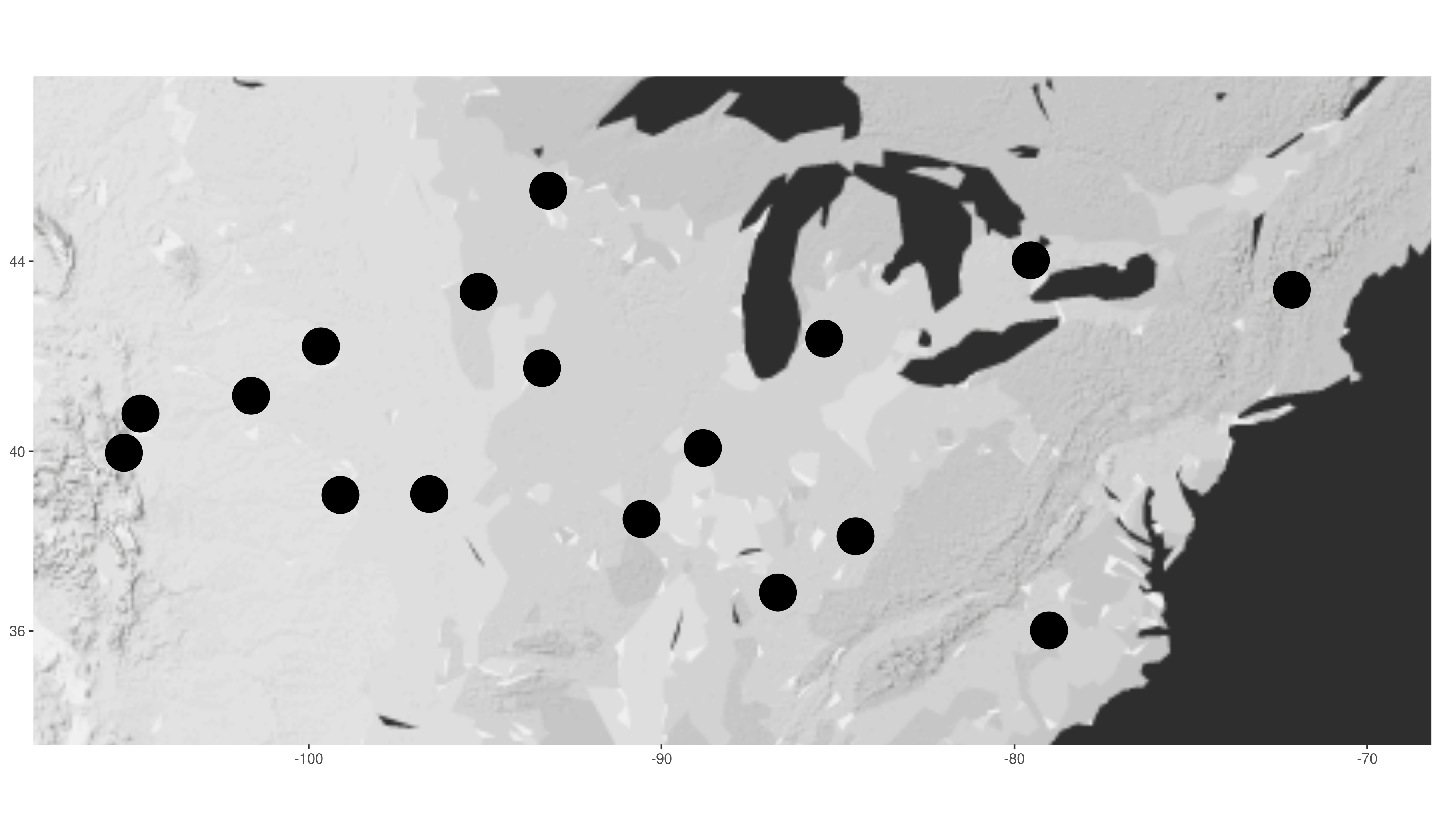
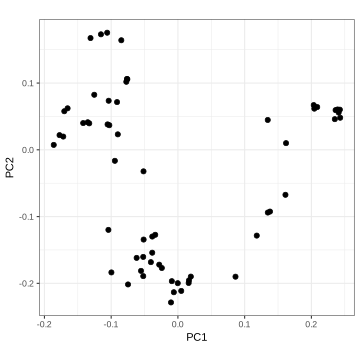
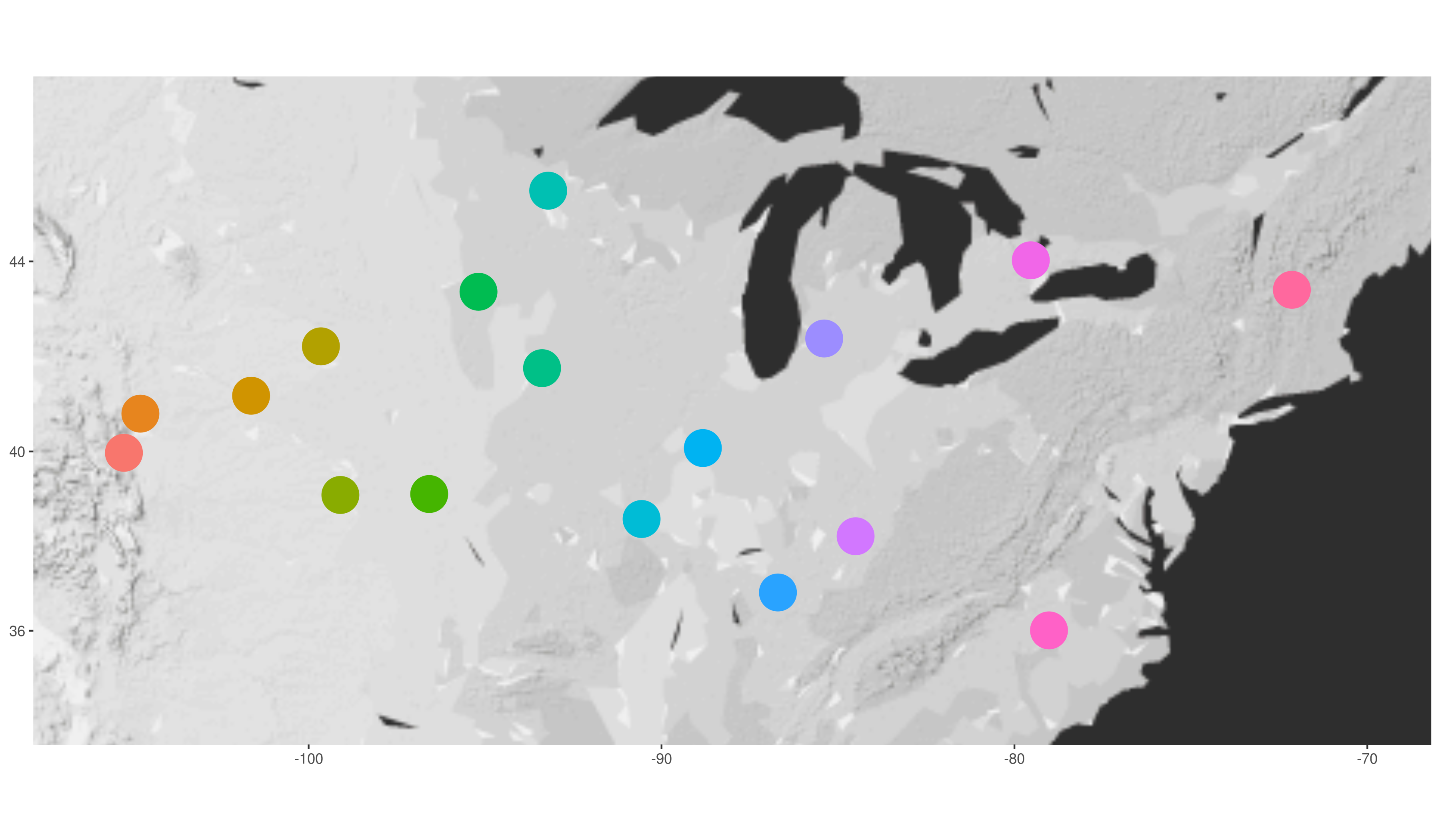
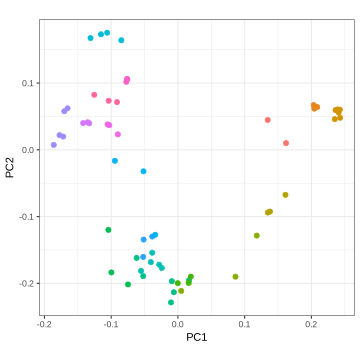
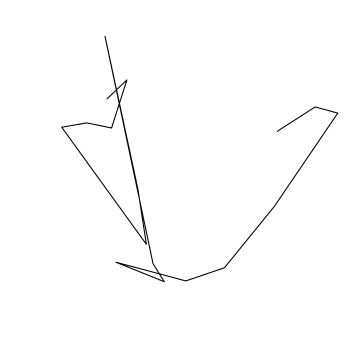
What we've done
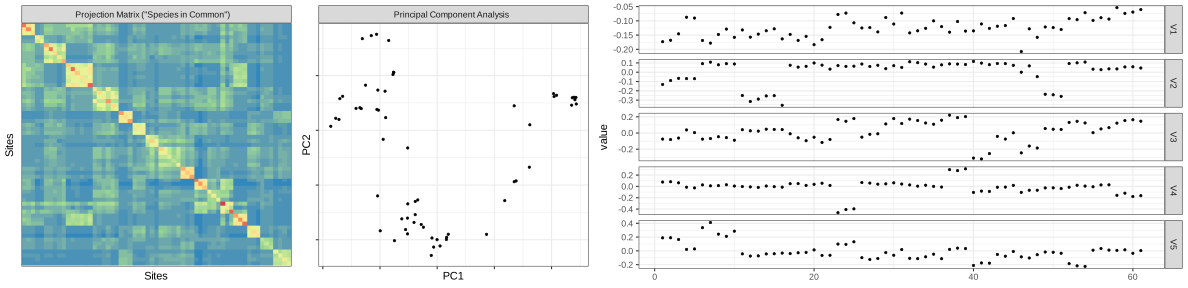
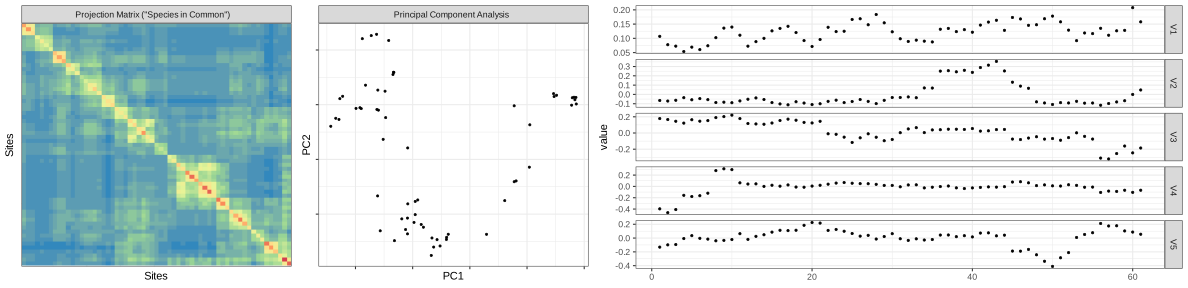
Outline
- A motivating example
- What is known
- What we've done
- What remains
What remains
- Identifying rank vs. identifying position
- Gradients in more than one dimension
- Types of variability
- Species center distribution
- Site location distribution
- Species distribution parameters
- Species distribution class
Questions?
Gradients in higher dimensions
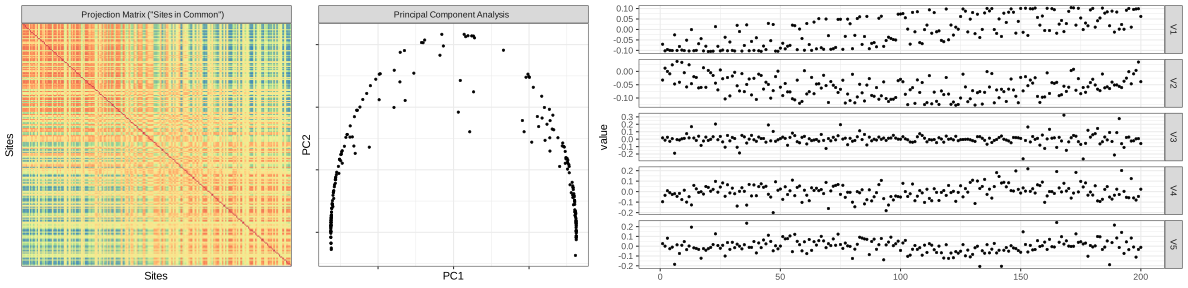
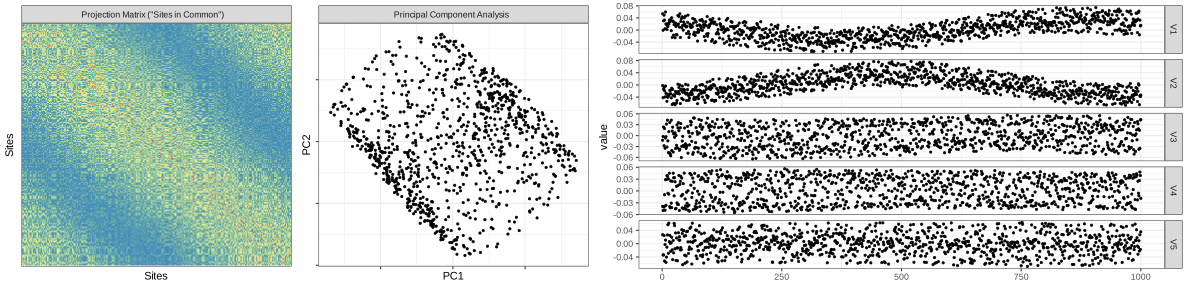
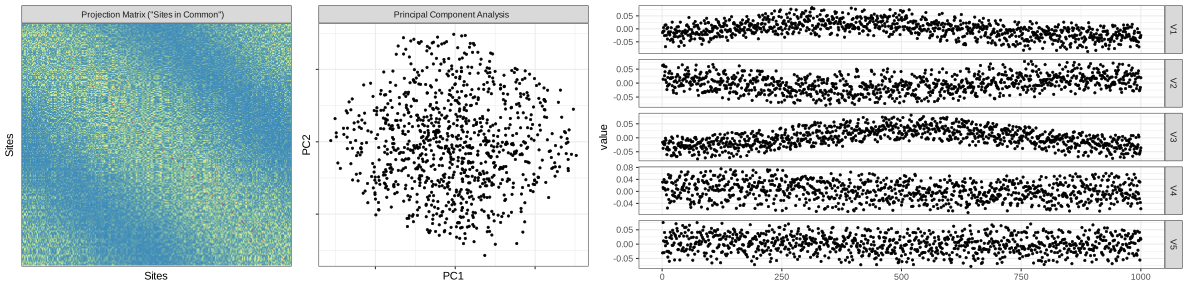
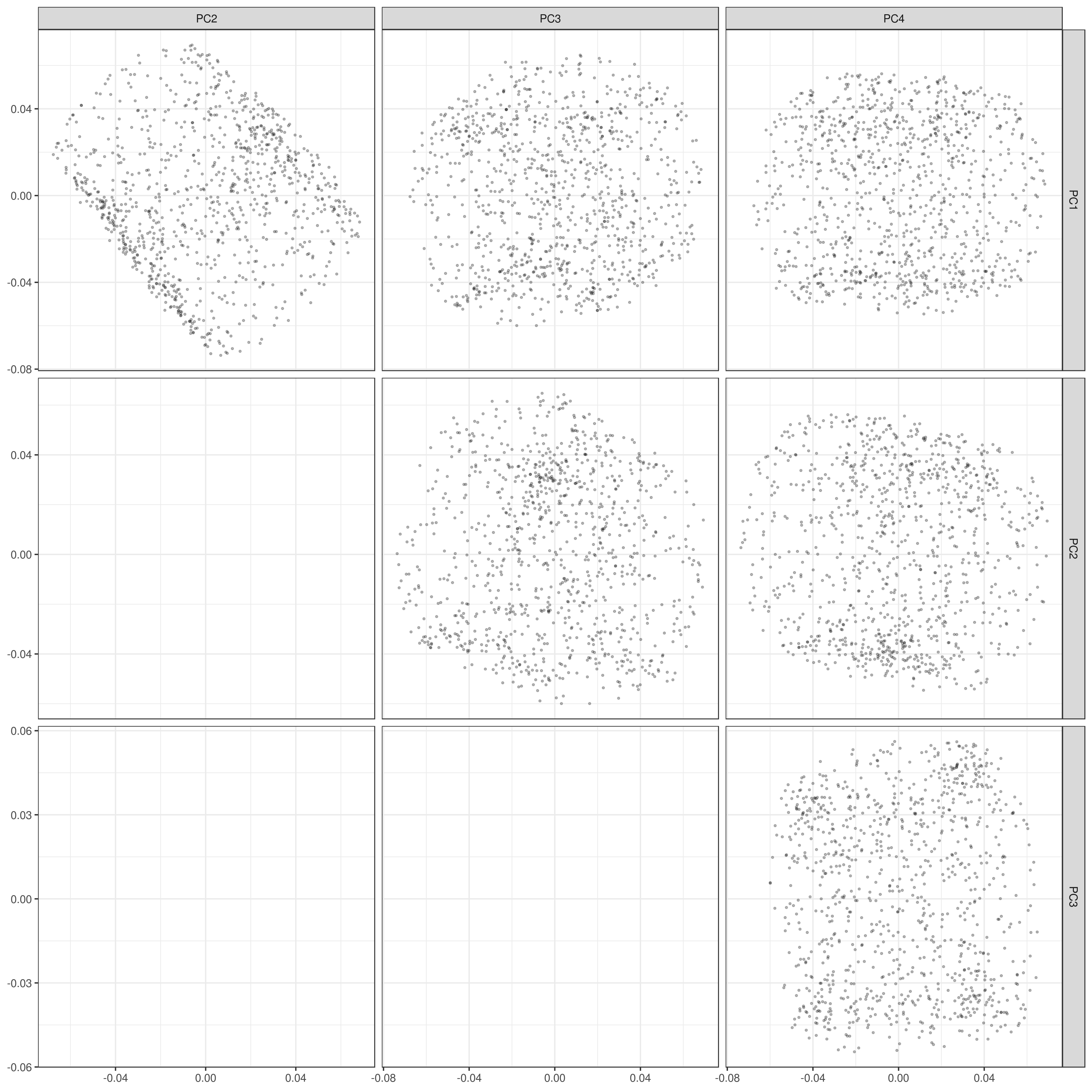
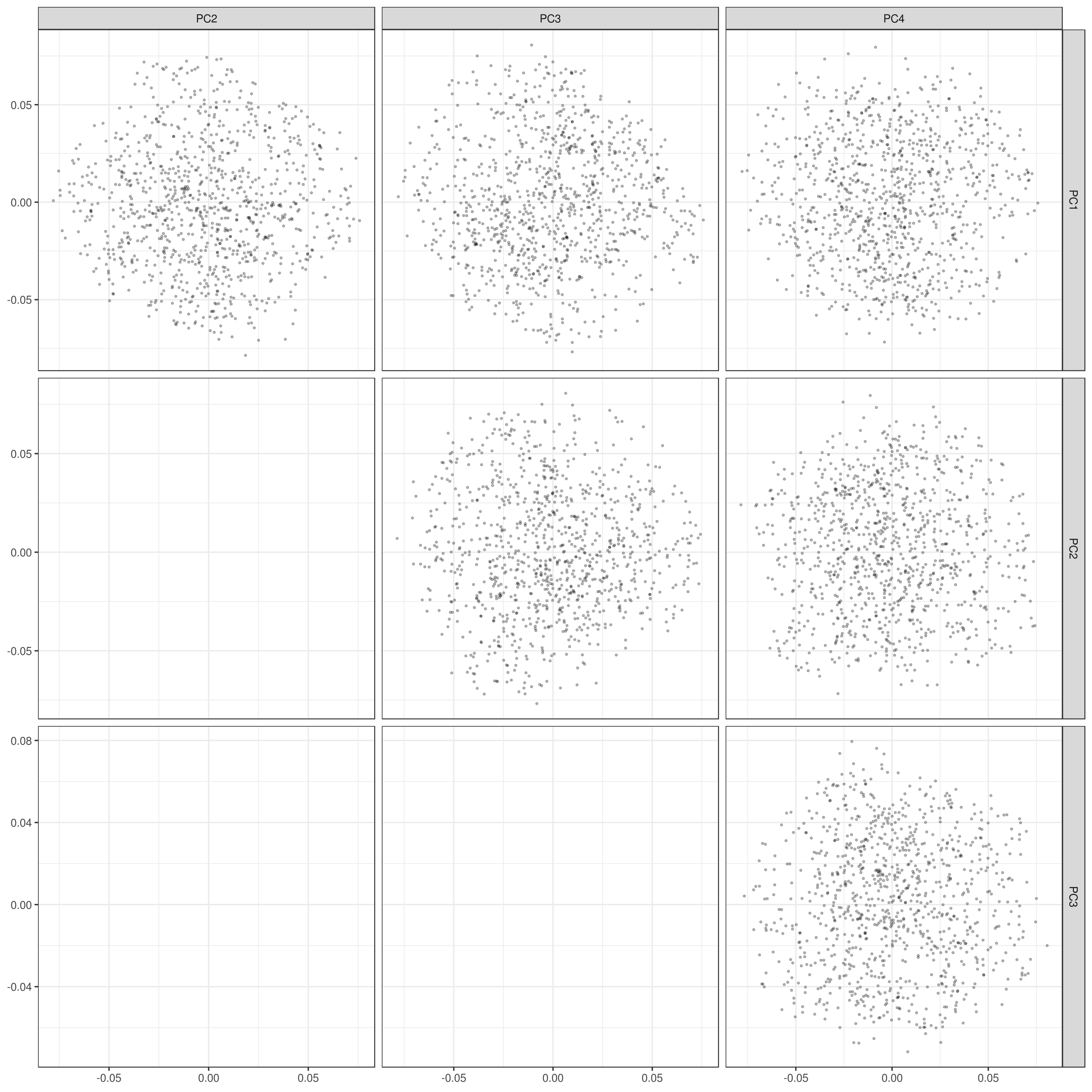
Increasing species distribution variance
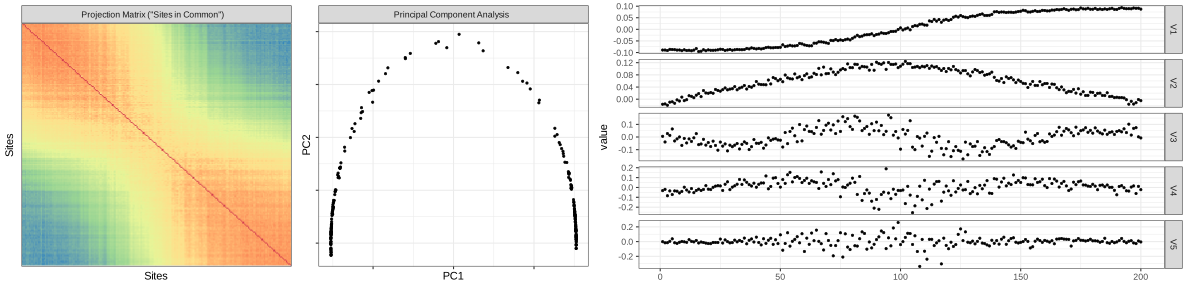
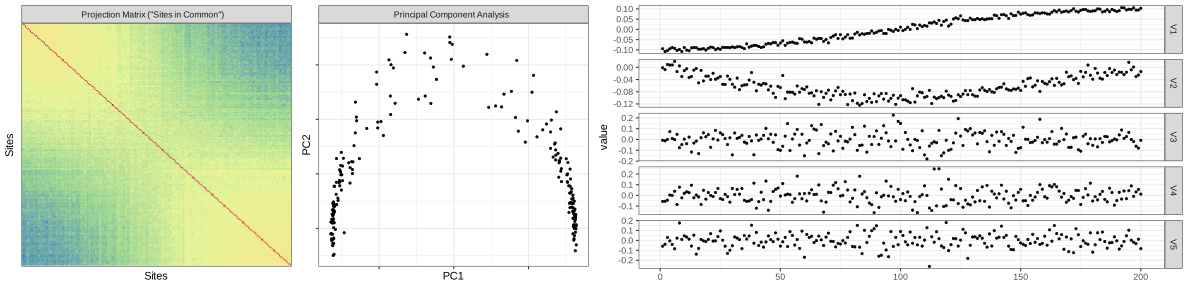
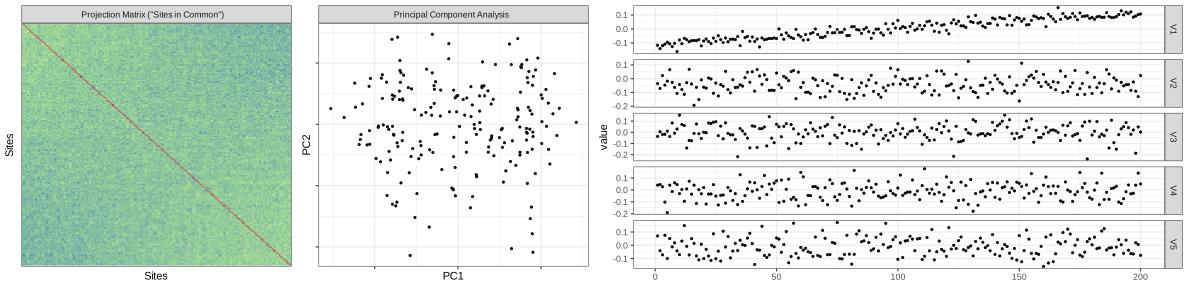
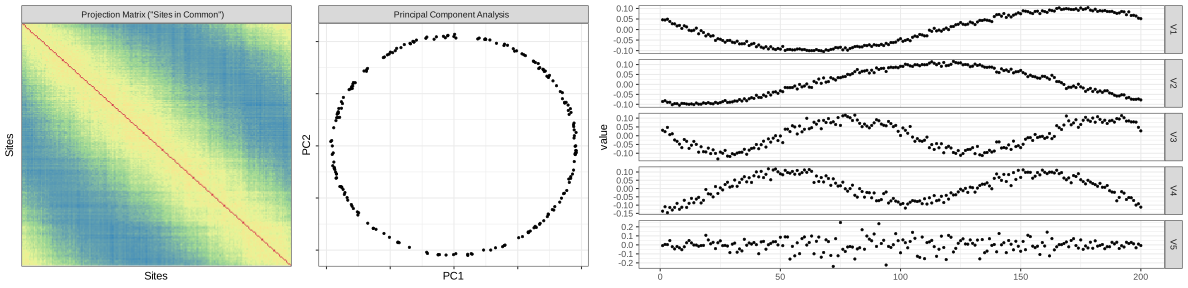
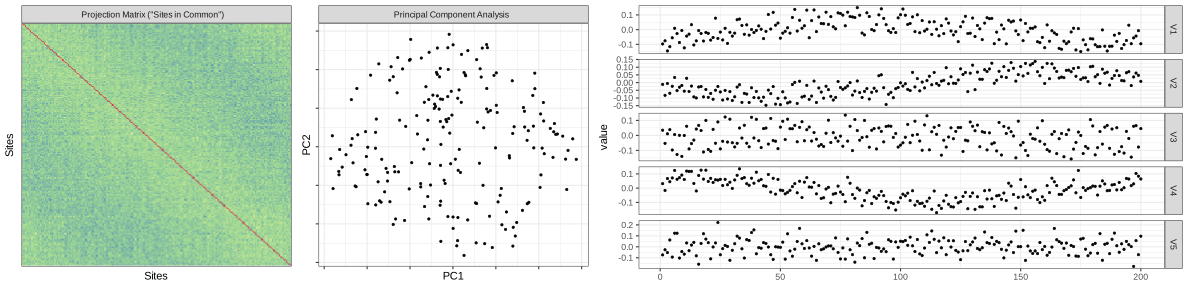
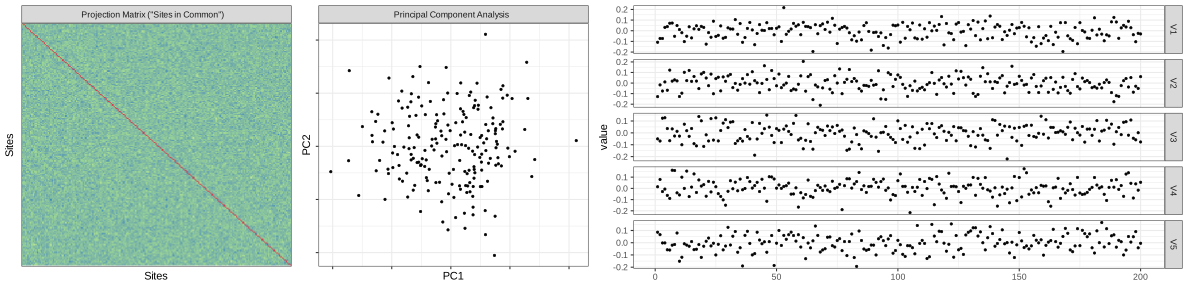
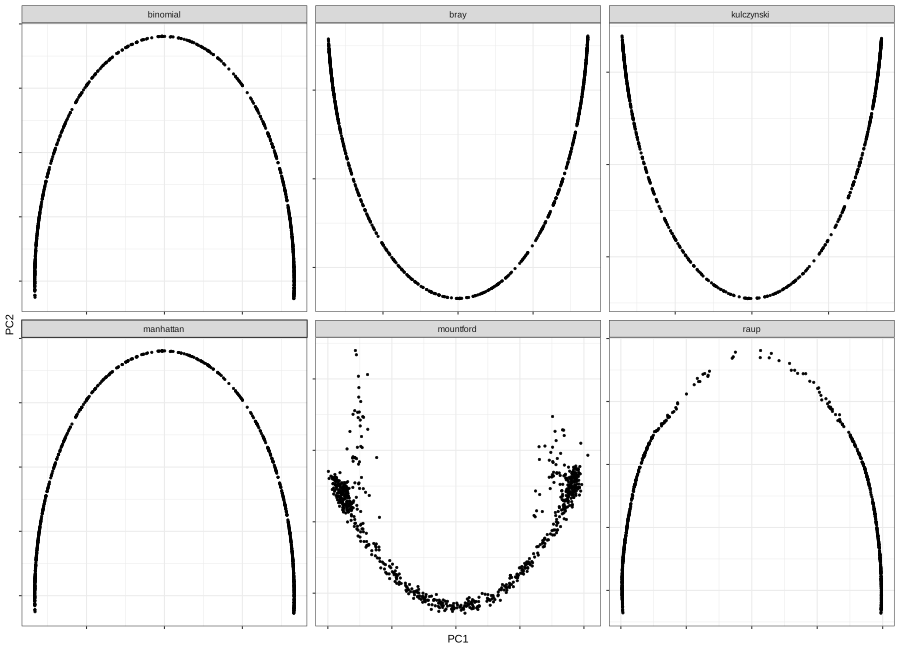
Alternative Distance Metrics
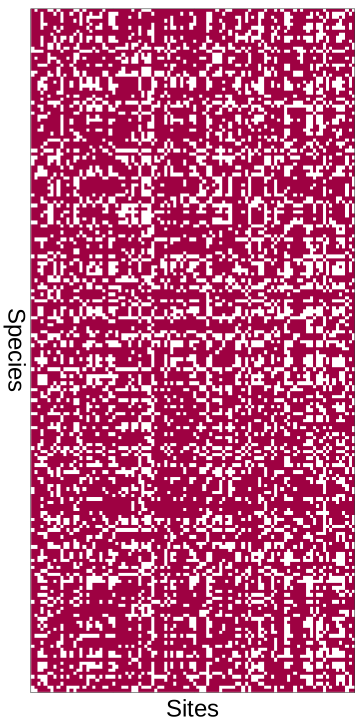
Nestedness as Gradient