About Me
Matthew Michalska-Smith
Using network structure to understand dynamical processes in complex systems.
Biography
I earned my Ph.D. in Ecology & Evolution at the University of Chicago, working in Stefano Allesina’s lab. There I was exposed to the powerful perspective of seeing the complexity of nature as a network of connected pieces. I have been particularly captivated by the interaction between the dynamics of ecological systems (i.e. the stability and feasibility of equilibria and the role of transient dynamics) and the structures (both local and global) found in network representations of those systems.
Though I have worked historically with ecological interaction networks, many of my projects exploit the extreme generality of mathematical models, and have applied network- and matrix-based methods to a host of systems. I am driven by the development of computational and statistical methods to enhance our ability to detect patterns in empirical data.
I later focused my attention on the study of how diseases spread on networks, working as a postdoc with Meggan Craft on projects applying this network perspective to disease ecology and the spread of COVID-19 in realistic human contact networks. I nevertheless maintained my interest in ecological networks more generally, simultaneously working with Linda Kinkel on the relationship between the structures of microbial interaction networks, including those detailing resource niche overlap and direct antimicrobial competition in plant microbiomes.
I now work as a Founding Data Scientist at Mendria, where I bring that network- and data-driven perspective to the applied problem of turning fragmented market signals into forward-looking underwriting for institutional real estate.

Through-lines
Dynamics on networks
How something spreads depends on who connects to whom. I’ve looked at that mainly through disease on contact networks, where the pattern of links can slow an outbreak or make it surge. The same habit of mind applies to human systems: information, stress, and failure don’t move evenly — the wiring matters.
Complexity and stability
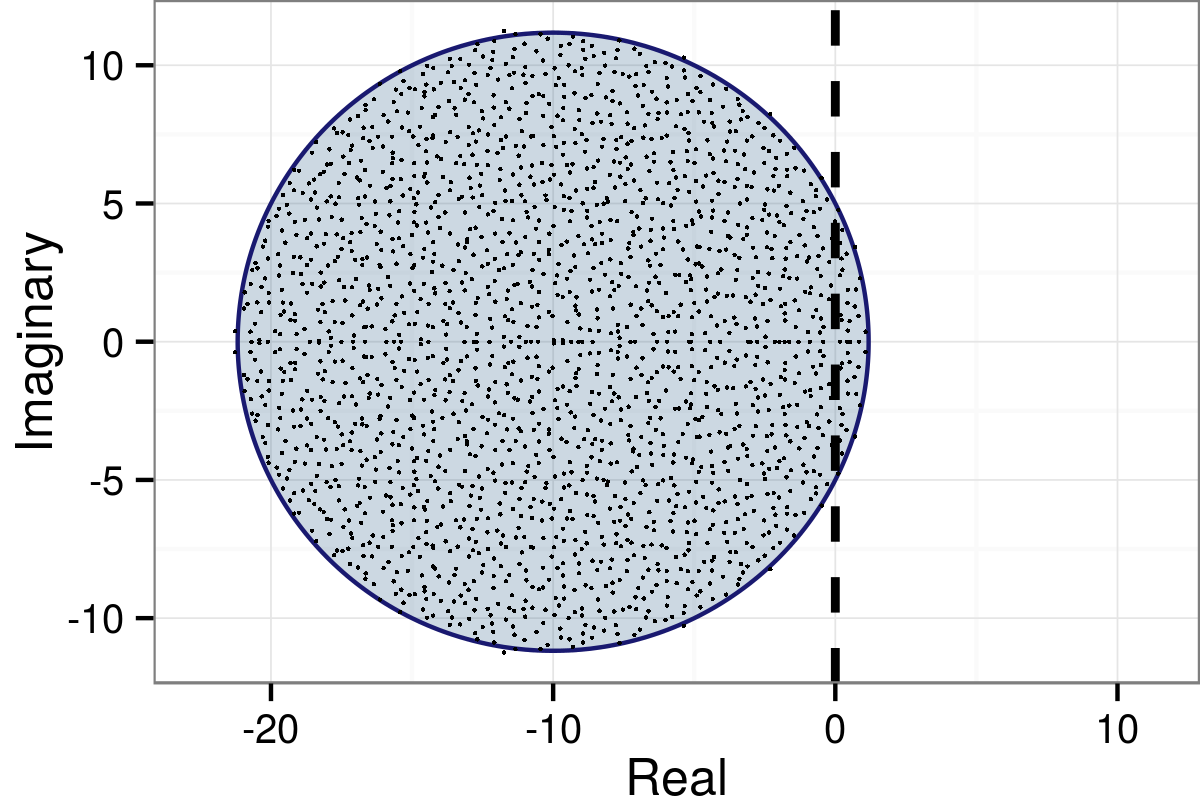
When a system has many moving parts, it’s hard to know whether it will stay steady or tip. Ecology forced that question for me — more connections aren’t simply “good” or “bad” for stability. I still care about that tension in human systems: when does adding detail help you see risk clearly, and when does it just make the picture harder to trust?
Which structure matters
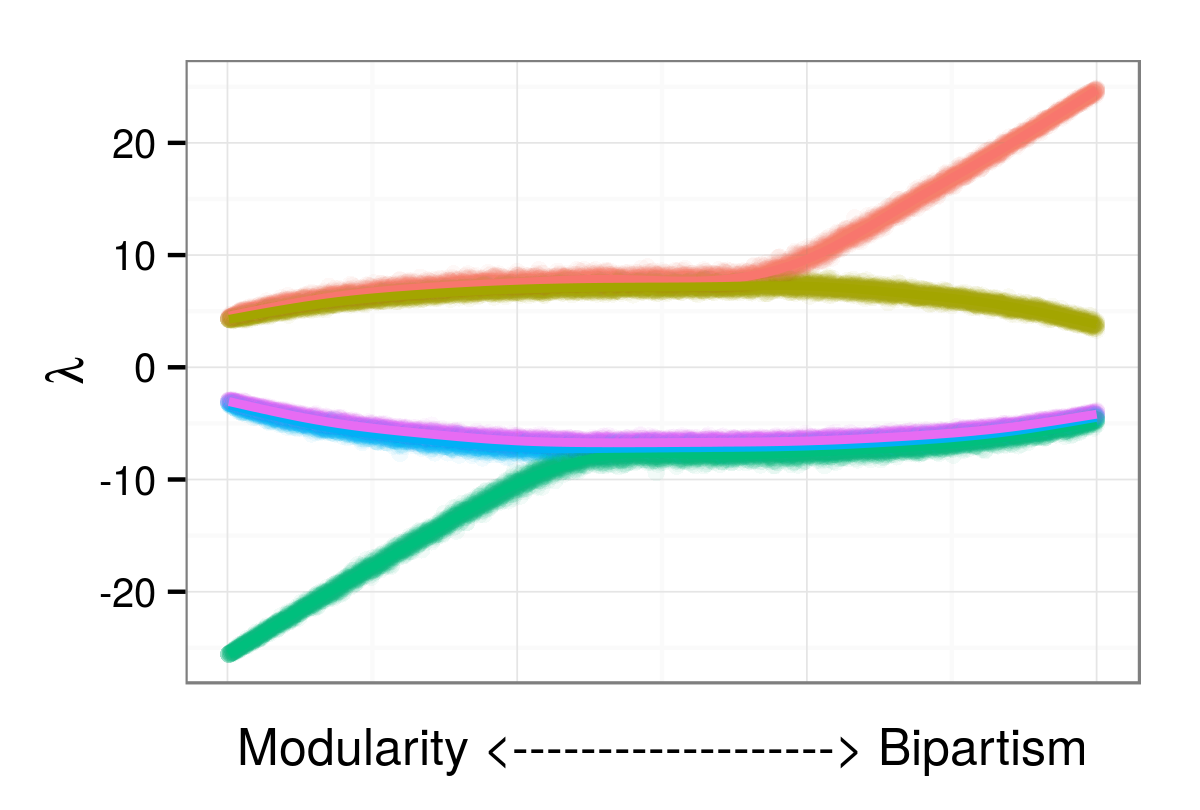
Not every pattern in the data is doing real work. I’ve cared about which features of a network actually change outcomes, and which ones are leftovers of how we measure or shuffle the system. That travels cleanly into human systems: some regularities are signal, some are scaffolding — the job is telling them apart without forcing a neat story.
How we evaluate work
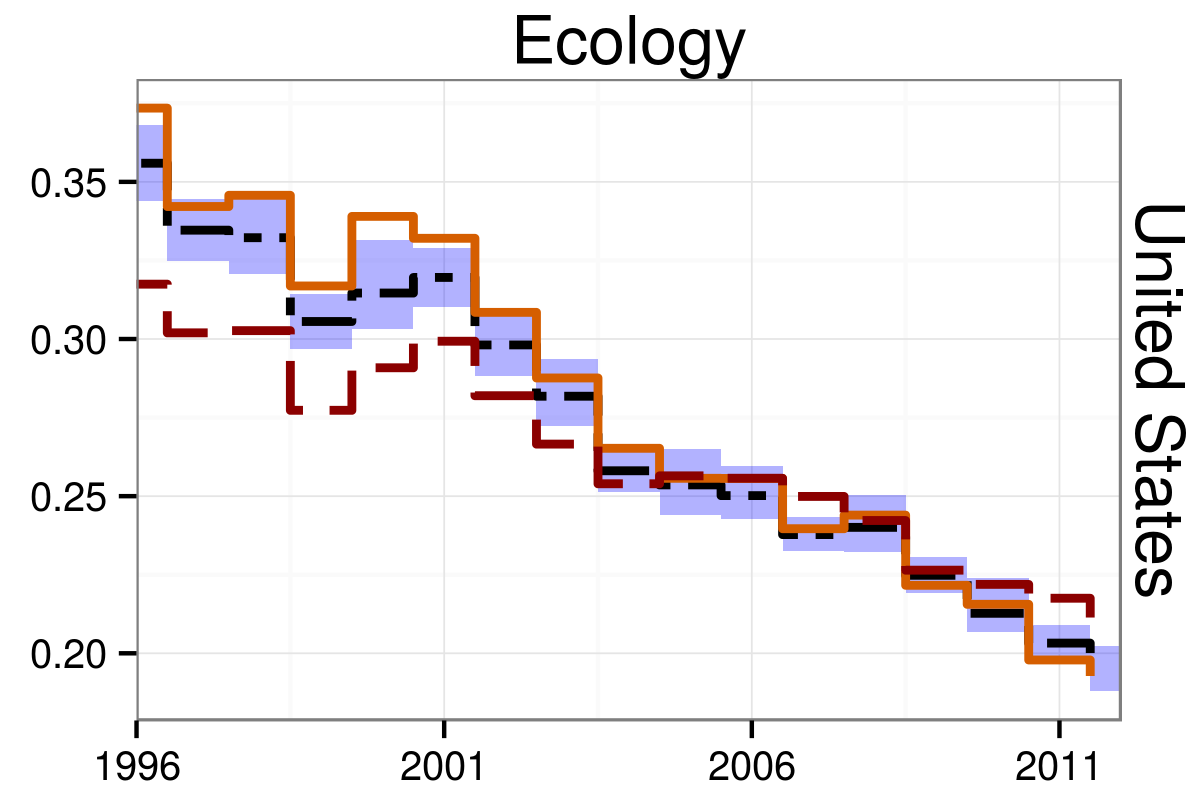
I’ve also been interested in how fields measure themselves — for example how international collaboration shapes where research appears and how often it’s cited, and how uneven those gains can be. Understanding those systems better doesn’t just make work more effective; it makes credit fairer, and it keeps us honest about how much any one person can move on their own.